
Con Edison rate hikes spark backlash from Bronx officials
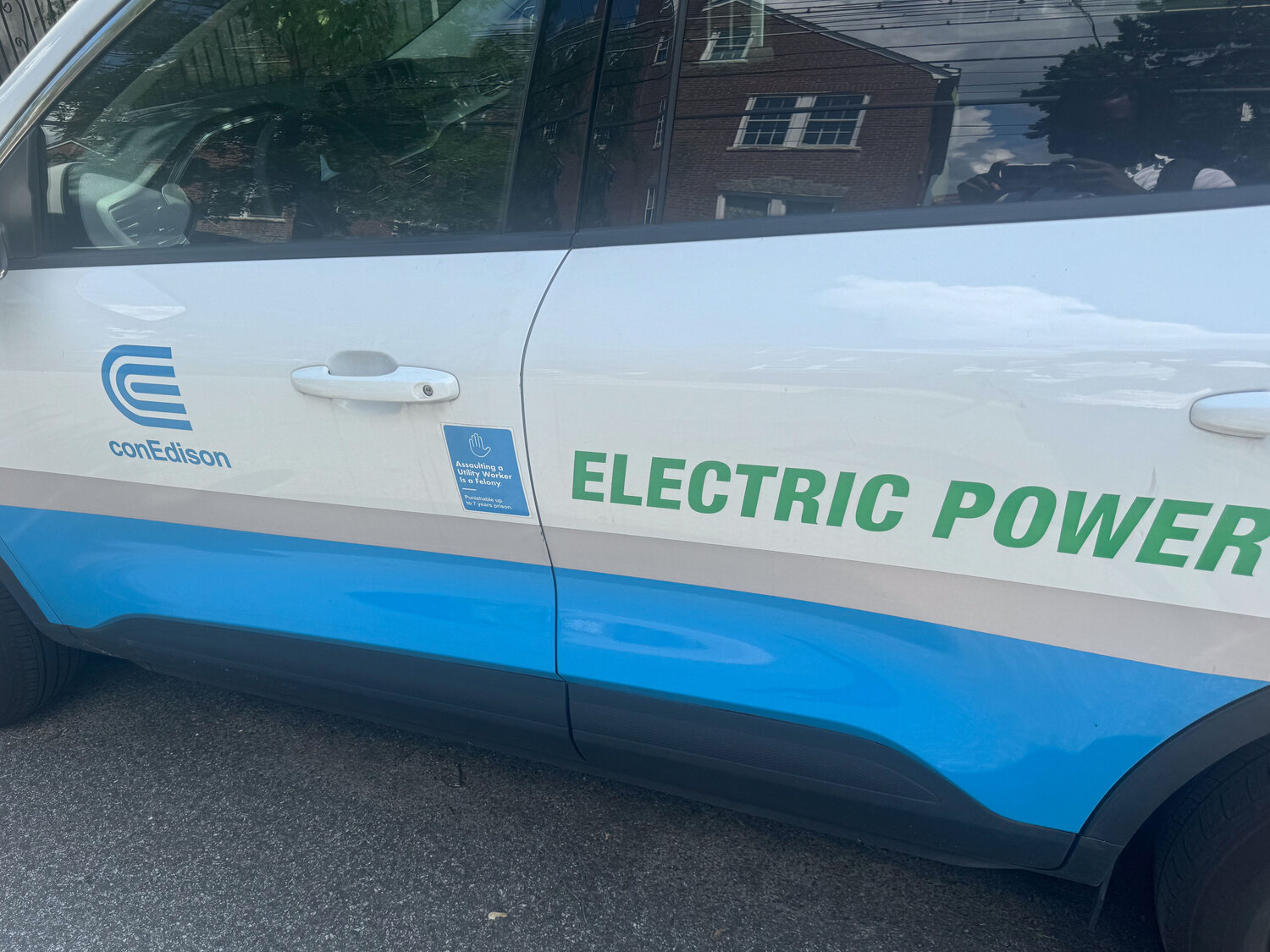
In response to Con Edison’s most recent proposed rate hikes, the New York State Public Service Commission approved increases as part of a multi-year rate plan affecting more than 3.5 million customers served by Con Edison across New York City and Westchester.
Con Edison initially sought a rate spike of roughly 11 percent for electric service and 13 percent for gas. Under the plan approved by the state regulators, electric rates will rise by about 9 percent and gas rates by about 6 percent over the next three years. The new rates are already in effect.
For the average New York City customer, Con Edison estimates the approved increase translates to adding about $4 per month to electric bills, while gas bills are expected to rise by roughly $5 to $19 per month.
For the average New York City customer, the utility giant estimates the higher costs amount to roughly $4 more per month on electric bills, while gas bills are expected to rise by $5 to $19 per month.
“Con Edison’s proposed rate hikes are unacceptable and would place an even heavier burden on hardworking New Yorkers facing an affordability crisis in our city,” Bronx Borough President Vanessa Gibson said.
The lawmaker noted that Bronx residents are already struggling with the cost of living and energy bills, adding, ”The proposed hikes of 11.4 [percent] for electric and 13.3 [percent] for gas would further strain household budgets for low-income and middle-class New Yorkers who are simply trying to stay warm, keep the lights on, and make ends meet.”
According to the New York City comptroller’s office, energy insecurity remains widespread across the city. In 2024 – the latest data available – 30 percent of New Yorkers are considered energy insecure, meaning they are unable to meet their household energy needs.
Over the past five years, about 3.5 million New Yorkers, about 42 percent of residents, have fallen behind on utility payments.
“As New Yorkers face increased uncertainty, they must now cope with cuts to benefits and services from Washington, and Con Edison’s addition to this burden is unacceptable,” the borough president said.
According to the New York City comptroller’s office, energy insecurity remains widespread across the city.
Roughly 30 percent of New Yorkers are considered energy insecure, meaning they are unable to meet their household energy needs. Over the past five years, 42 percent of New York City residents have fallen behind on utility payments, while 1.9 million people, or 23 percent have experienced utility shutoffs because they could not pay their bills.
In the Bronx, that burden is significantly higher in the Bronx. In 2024, 55 percent of Bronx households fell behind on utility payments, and 32 percent experienced a utility shutoff.
Assemblymember Jeffrey Dinowitz also condemned the rate approval, pointing to widespread utility debt across the state. At the time of the decision, more than 414,000 households were at least 60 days behind on their utility bills, owing a combined total of more than $871 million. As winter began, more than 142,000 customers received final termination notices.
“It is outrageous that once again, while facing an affordability crisis, customers are being told that they must pay more for vital services,” Dinowitz said. “Utilities are not luxuries, they’re necessities, especially during the cold winter months.”
He also criticized the governor’s recent veto of legislation that would have created an independent Office of the Utility Consumer Advocate, which would represent residential ratepayers in proceedings before the Public Service Commission.
“New York needs [a] Utility Consumer Advocate so that ratepayers have an advocate that will go toe-to-toe with Con Edison when they seek another rate increase in three years, which they most assuredly will do,” he said.
Con Edison reported earnings of $688 million in its most recent quarterly report, roughly $100 million more than the same quarter last year, a figure critics cite as evidence that the utility can absorb costs without passing them on to customers.
Dinowitz has reintroduced legislation to establish the Office of the Utility Consumer Advocate, which would be appointed by the governor and confirmed by the state Senate. The office would have authority to initiate and participate in proceedings on behalf of residential utility customers.
“We need to pass this legislation again this year,” Dinowitz said, “and, if the Governor truly wants to fight for ratepayers, she should sign the bill.”
Advocates and elected officials are urging state officials and the governor to reconsider future rate increases and adopt stronger consumer protections as energy costs continue to rise.
Keywords
Con Edison, Jeffrey Dinowitz, Office of the Utility Consumer Advocate, rate hike


