
Eric Dinowitz to tackle lower enrollment in new role as city council education chair
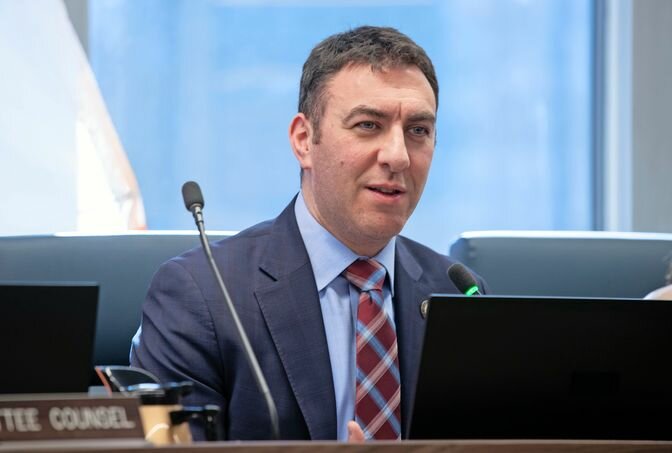
In less than a week, Council Member Eric Dinowitz holds his first hearing as chair of the City Council’s Education Committee. Ahead of the milestone, the former special education teacher outlined his vision for the nation’s largest public school system.
Appointed in January, he now leads the council’s oversight of the Department of Education, or DOE. However, he’s tasked with navigating a broader education portfolio than his predecessors as the city ushers in free child care for two-year-olds under Mayor Zohran Mamdani. The initiative adds new demands to an agency long faced with pressure to address persistent inequities across the city’s schools.
“We’re at a critical juncture in our city,” he said. “We have the renewal of mayoral control coming up, we have the phasing out of the Regents [exams], and we have a decline in enrollment.”
The education committee provides oversight of a school system with a budget of more than $42 billion, roughly one-third of the city’s total spending. Still, the DOE has persistently grappled with rising operating costs, even as student enrollment remains well below-prepandemic levels.
“Lower enrollment has produced uneven effects across the system,” Dinowitz said. “Some schools are operating below capacity and facing funding reductions tied to headcount, while others remain overcrowded, particularly those with sought-after academic or specialized programs.”
Addressing the years-long trend of dropping student numbers sits among the most pressing issues on Dinowitz’s agenda. According to the DOE, enrollment in K-12 and preschool programs fell by roughly 22,000 students during the 2024 to 25 school year compared to the prior year.
He noted schools with shrinking pupil populations often lose electives, arts programs and staff members, making them less desirable to families and accelerating enrollment losses. At the same time, schools with popular offerings are seeing vast overcrowding, creating imbalances that are difficult to resolve through traditional zoning or resource shifts.
Special education is another major challenge for the committee and a growing strain on the city’s budget – one that Dinowitz pledged to address. Spending on so-called Carter cases, he explained, or lawsuits that require the city to pay for private special education placements when public schools cannot meet students’ needs, has risen sharply over the past decade.
The DOE reports placements for students with intensive needs can cost more than $150,000 per student per year, with some settlement awards reaching beyond $200,000 annually. These numbers far exceed the price of comparable services provided within city-run programs.
“We spend over a billion dollars on providing private school tuition, legal fees and related services,” Dinowitz said. “The fundamental question is, why can’t our children’s disabilities be addressed in our public schools?”
Dinowitz foresees navigating some barriers by implementing widespread early intervention assesments in Mamdani’s new childcare program. By recognizing learning and developmental needs as early as possible, long-term challenges can be reduced, he urged.
“It’s not just about daycare and not just about allowing parents to go to work,” Dinowitz said. “It’s about providing a better foundation for our children’s education.”
The oversight hearing on Feb. 10 will center on the upcoming renewal of mayoral control of the school system, which is set to expire unless renewed by the state. The governor’s executive budget proposes extending mayoral control for four years.


