
SNAP benefits: Who will remain eligible?


President Donald Trump’s Big Beautiful Bill is now law, putting Supplemental Nutrition Assistance Program, or SNAP, recipients across the country at risk of losing benefits.
SNAP, formally known as food stamps, provides for half a million people across the Bronx, making it the borough with the highest enrollment.
In greater Riverdale, nearly 20,000 people rely on SNAP. Bordering neighborhoods, such as University Heights, Jerome Park and Norwood, are home to more than 50,000 people in need of SNAP benefits.
The Big Beautiful Bill will cut federal SNAP spending by $186 billion through 2034.
Eligible low-income households — including those of working people, senior citizens and the disabled — receive monthly benefits on an Electronic Benefit Transfer, or EBT, card, to purchase groceries at select stores.
On average, an individual in New York City receives $232 monthly. For a four-person household, benefits cap at $975 — around $8 a day to feed each family member.
Trump’s bill requires major changes to SNAP.
SNAP is funded by the federal government, but states with a high error rate — overfunding or underfunding a household — will be required to pay for a portion of the program.
New York has an error rate of around 14 percent, 4 percent higher than the national average. According to Gov. Kathy Hochul’s office, the state could pay up to $1.4 billion annually to maintain SNAP benefits.
The SNAP work requirements have also expanded. Previously, able-bodied adults ages 18 to 54 without dependents were required to work 20 hours a week to receive benefits, though some states — including New York — waived this requirement.
Exemptions to the work requirement were also given to veterans, the homeless, those formerly in foster care and parents with children under 18.
Under the bill, the working requirement has been raised to age 64, and parents with children 14 and over will have to fulfill the mandate to claim SNAP benefits. While exemptions still apply to pregnant individuals, people with disabilities and Native Americans, most other exemptions have been removed.
Adjustments were also made to the immigration status of eligible recipients. Though undocumented people have never been able to receive SNAP, exceptions were made for some non-citizen groups like refugees and asylees. Mixed-status families were also eligible, so undocumented parents could apply on behalf of their children.
Now, only green card holders, Cuban and Haitian entrants as well as those from select Oceania nations — Micronesia, the Marshall Islands and Palau —are eligible.
The changes are set to take place over time, starting as early as October 2026. But for local nonprofits who support the community, concerns are already mounting.
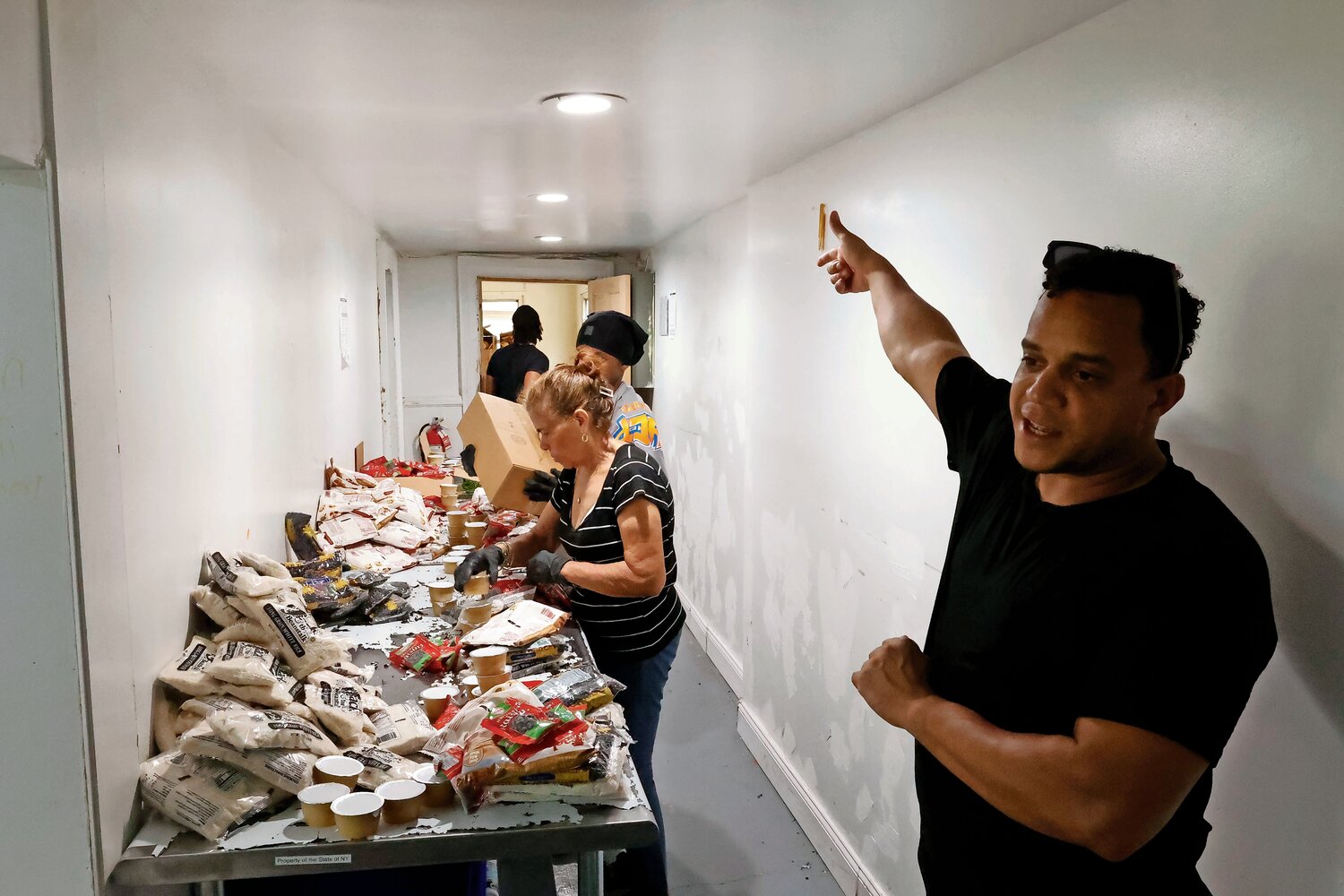
Anthony Del Orbe, food justice manager at Kingsbridge Heights Community Center, a nonprofit providing education, mental health and food access services to Bronxites, is noticing the effects of the bill.
“[Clients] always ask me questions — ‘Do you know what’s going on? Do you know what’s going to happen?’” Del Orbe said.
Twice a week, the center runs a food pantry, offering free groceries to food-insecure residents. Del Orbe said that isn’t going to change.
“No matter what, we are here,” he said. “People can rely on us.”
According to Del Orbe, some days, the center serves up to 200 people, many representing their households.
“There are different situations — you might have a family where the mother only has enough to feed her kids, but not herself,” Del Orbe said. “We want to prevent those situations.”
Jillian John, a long-time volunteer at the community center, told The Press she has concerns about the impending effects of the Big Beautiful Bill.
“We get a lot of funding from what’s being cut,” John said. “If we don’t have enough, our community is going to suffer. We are going to feel it.”
Faced with limited resources, community centers will have to fight for what funding is available, John said. It will be a day-to-day process for the center to stretch its resources.
When SNAP benefits are reduced, the demand for food banks will rise, leaving community centers — in greater Riverdale and nationwide — unsure how to mitigate the cuts.
Yanibel Brito, a social worker at the Kingsbridge center, said it has already felt the impact of funding cuts, which began earlier this year.
Given the scale of the Trump administration’s rollback on immigration rights, Brito said, the Latino community in particular has felt the weight of cuts to social services.
“For example, if a mom is applying [for SNAP benefits] on behalf of her children, and she’s undocumented, there’s fear to pursue the application further,” Brito said.
Despite uncertainty, Del Orbe, John and Brito all echoed the same commitment to their clients.
“We’re going to do our best to keep serving the community in whatever capacity we can,” John said. “We’re going to find a way. We always do.”
Keywords
SNAP benefit cuts, Trump Big Beautiful Bill, Bronx food insecurity, Kingsbridge Heights Community Center, EBT work requirements, immigration and SNAP eligibility, federal food assistance rollback


